Biodiesel Feed Stock Sourcing & Supply
Biodiesel feedstocks are the renewable raw materials that go into B-100 biodiesel — a fuel that performs like petro-diesel with a fraction of the carbon footprint. Vegetable oils, used cooking oil, tallow, fatty acids and other non-edible oils are converted through transesterification at our ISCC EU certified plant.
The choice of feedstock decides fuel quality, production cost and sustainability. Kissan Energy sources, tests and supplies six proven feedstock categories for biodiesel producers, refiners and industrial buyers across India.
Main Categories of Biodiesel Feedstock
Six feedstock streams, each selected for yield, availability and sustainability — all convertible to B-100 biodiesel through transesterification.

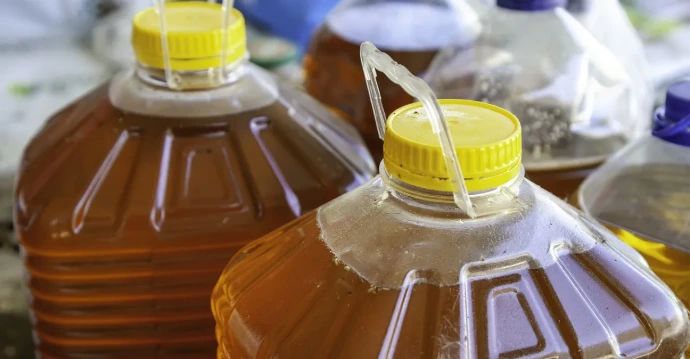
Tallow
Rendered animal fat with a high energy density and strong cetane value. A cost-effective, waste-derived feedstock that delivers excellent biodiesel yield per tonne.
- High cetane, low sulphur output
- Waste-stream derived — low carbon score
Used Cooking Oil (UCO)
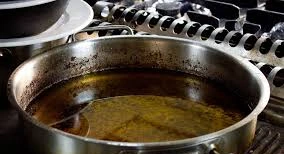
Collected from hotels, restaurants and food processors, UCO is one of the most sustainable feedstocks available — turning a disposal problem into clean fuel.
- Up to 80–90% GHG reduction vs diesel
- Filtered, de-watered and FFA-tested
Fatty Acid
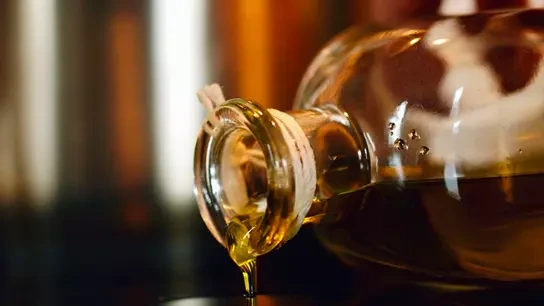
Palm fatty acid distillate (PFAD) and other fatty acid by-products from oil refining — a high-FFA stream ideally suited to esterification-based biodiesel production.
- Refinery by-product, consistent supply
- Also yields crude glycerol
SBE (Spent Bleaching Earth Oil)
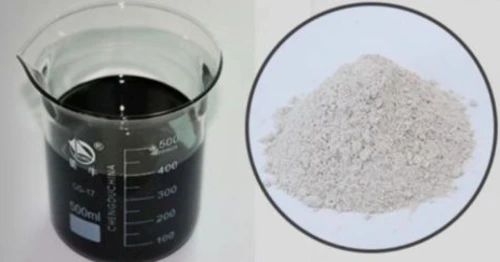
Oil recovered from spent bleaching earth used in edible-oil refining. Extracting this residual oil diverts hazardous waste from landfill and adds a valuable feedstock stream.
- Recovered from refinery waste clay
- Environmentally responsible disposal route
Vegetable Oil Residues
Acid oils, soap stock and residues from vegetable-oil processing. These low-grade streams are upgraded into on-spec B-100 through our pre-treatment and transesterification process.
- Acid oil & soap stock accepted
- Low-cost, high-availability feedstock

Non-Edible Vegetable Oil
Jatropha, karanja, neem, mahua and similar non-food oils. Grown on marginal land, they don't compete with the food chain — making them a sustainable, India-suited feedstock.
- No food-vs-fuel conflict
- Supports rural farm income
How Feedstock Becomes B-100 Biodiesel
Every lot follows the same certified path from collection to tanker.
Sourcing
Feedstock collected from certified suppliers, refiners and UCO aggregators under ISCC chain-of-custody.
Testing
Each lot is lab-tested for free fatty acid, moisture, impurities and unsaponifiable matter before acceptance.
Pre-treatment
Filtration, degumming and esterification bring high-FFA feedstocks to the spec required for conversion.
Transesterification
Oil reacts with methanol and catalyst to produce B-100 biodiesel and crude glycerol, tested to BIS/EN standards.
Have feedstock to supply — or need it in bulk?
We buy UCO, tallow, fatty acids and residue oils from collectors and refiners, and supply tested feedstock to biodiesel producers. Share your quantity and location and our team will respond with pricing.
Stay Updated with Kissan Energy
Updates on biodiesel, feedstock pricing, industrial diesel supply and industry insights — straight to your inbox.
Biodiesel Feed Stock Sourcing & Supply
Biodiesel feedstocks are the renewable raw materials that go into B-100 biodiesel — a fuel that performs like petro-diesel with a fraction of the carbon footprint. Vegetable oils, used cooking oil, tallow, fatty acids and other non-edible oils are converted through transesterification at our ISCC EU certified plant.
The choice of feedstock decides fuel quality, production cost and sustainability. Kissan Energy sources, tests and supplies six proven feedstock categories for biodiesel producers, refiners and industrial buyers across India.
Main Categories of Biodiesel Feedstock
Six feedstock streams, each selected for yield, availability and sustainability — all convertible to B-100 biodiesel through transesterification.
Tallow
Rendered animal fat with a high energy density and strong cetane value. A cost-effective, waste-derived feedstock that delivers excellent biodiesel yield per tonne.
- High cetane, low sulphur output
- Waste-stream derived — low carbon score
Used Cooking Oil (UCO)
Collected from hotels, restaurants and food processors, UCO is one of the most sustainable feedstocks available — turning a disposal problem into clean fuel.
- Up to 80–90% GHG reduction vs diesel
- Filtered, de-watered and FFA-tested
Fatty Acid
Palm fatty acid distillate (PFAD) and other fatty acid by-products from oil refining — a high-FFA stream ideally suited to esterification-based biodiesel production.
- Refinery by-product, consistent supply
- Also yields crude glycerol
SBE (Spent Bleaching Earth Oil)
Oil recovered from spent bleaching earth used in edible-oil refining. Extracting this residual oil diverts hazardous waste from landfill and adds a valuable feedstock stream.
- Recovered from refinery waste clay
- Environmentally responsible disposal route
Vegetable Oil Residues
Acid oils, soap stock and residues from vegetable-oil processing. These low-grade streams are upgraded into on-spec B-100 through our pre-treatment and transesterification process.
- Acid oil & soap stock accepted
- Low-cost, high-availability feedstock
Non-Edible Vegetable Oil
Jatropha, karanja, neem, mahua and similar non-food oils. Grown on marginal land, they don't compete with the food chain — making them a sustainable, India-suited feedstock.
- No food-vs-fuel conflict
- Supports rural farm income
How Feedstock Becomes B-100 Biodiesel
Every lot follows the same certified path from collection to tanker.
Sourcing
Feedstock collected from certified suppliers, refiners and UCO aggregators under ISCC chain-of-custody.
Testing
Each lot is lab-tested for free fatty acid, moisture, impurities and unsaponifiable matter before acceptance.
Pre-treatment
Filtration, degumming and esterification bring high-FFA feedstocks to the spec required for conversion.
Transesterification
Oil reacts with methanol and catalyst to produce B-100 biodiesel and crude glycerol, tested to BIS/EN standards.
Have feedstock to supply — or need it in bulk?
We buy UCO, tallow, fatty acids and residue oils from collectors and refiners, and supply tested feedstock to biodiesel producers. Share your quantity and location and our team will respond with pricing.
Stay Updated with Kissan Energy
Updates on biodiesel, feedstock pricing, industrial diesel supply and industry insights — straight to your inbox.