Sustainability
Why Biodiesel B-100 Is Powering India's Clean Energy Future
Pure, unblended biodiesel can cut lifecycle emissions by up to 50% while keeping industries, fleets, and transport networks running reliably. Here's what makes B-100 the fuel of the future for India.
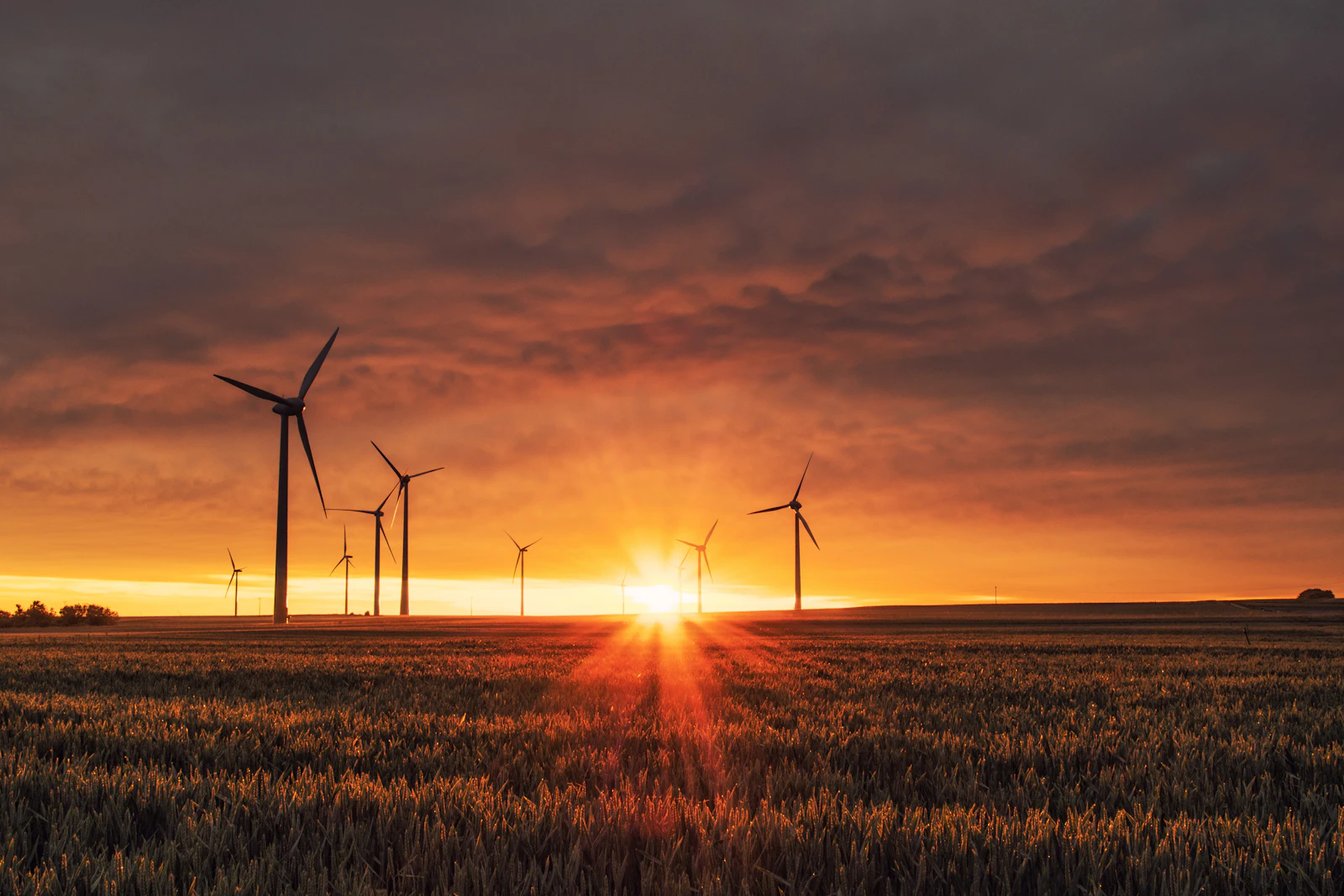
India's energy demand is growing faster than almost anywhere in the world. At the same time, the country has committed to ambitious climate goals and cleaner air in its cities. Biodiesel B-100 — pure, unblended biodiesel — sits exactly at the intersection of these two priorities: it delivers dependable power today while dramatically reducing the environmental footprint of every litre burned.
What exactly is B-100?
B-100 is 100% biodiesel, produced from renewable feedstocks such as vegetable oils and used cooking oil through a process called transesterification. Unlike blended fuels (B-5, B-20), B-100 contains no fossil diesel at all. It is biodegradable, non-toxic, and virtually free of sulphur and aromatics — the compounds most responsible for harmful exhaust emissions.
The emissions case
Compared to conventional diesel, B-100 can reduce lifecycle carbon emissions by up to 50%, along with significant cuts in unburned hydrocarbons, carbon monoxide, and particulate matter. For fleet operators, factories, and generator users, that means measurable progress toward ESG targets without replacing existing engines.
Reliability without compromise
- Drop-in compatibility: Most modern diesel engines run on high-blend biodiesel with little or no modification.
- Higher lubricity: Biodiesel naturally lubricates fuel systems, reducing wear on pumps and injectors.
- Higher cetane number: Smoother combustion and easier cold starts compared to low-quality diesel.
- Safer handling: A higher flash point makes B-100 safer to store and transport.
Why it matters for India
Every litre of B-100 produced domestically from Indian feedstock reduces crude oil imports, supports rural agricultural value chains, and creates green manufacturing jobs. As blending mandates rise and industries face growing pressure to decarbonise, B-100 offers a practical path that works with today's infrastructure — not against it.
At Kissan Energy, we manufacture ISCC-certified biodiesel at scale and supply it to industries, fleets, and distributors across India. The clean energy future isn't a distant promise — it's already flowing.
Ready to make the switch?
Talk to Kissan Energy about certified biodiesel, fuel additives, lubricants, and reliable supply for your business.
Sustainability
Why Biodiesel B-100 Is Powering India's Clean Energy Future
Pure, unblended biodiesel can cut lifecycle emissions by up to 50% while keeping industries, fleets, and transport networks running reliably. Here's what makes B-100 the fuel of the future for India.
India's energy demand is growing faster than almost anywhere in the world. At the same time, the country has committed to ambitious climate goals and cleaner air in its cities. Biodiesel B-100 — pure, unblended biodiesel — sits exactly at the intersection of these two priorities: it delivers dependable power today while dramatically reducing the environmental footprint of every litre burned.
What exactly is B-100?
B-100 is 100% biodiesel, produced from renewable feedstocks such as vegetable oils and used cooking oil through a process called transesterification. Unlike blended fuels (B-5, B-20), B-100 contains no fossil diesel at all. It is biodegradable, non-toxic, and virtually free of sulphur and aromatics — the compounds most responsible for harmful exhaust emissions.
The emissions case
Compared to conventional diesel, B-100 can reduce lifecycle carbon emissions by up to 50%, along with significant cuts in unburned hydrocarbons, carbon monoxide, and particulate matter. For fleet operators, factories, and generator users, that means measurable progress toward ESG targets without replacing existing engines.
Reliability without compromise
- Drop-in compatibility: Most modern diesel engines run on high-blend biodiesel with little or no modification.
- Higher lubricity: Biodiesel naturally lubricates fuel systems, reducing wear on pumps and injectors.
- Higher cetane number: Smoother combustion and easier cold starts compared to low-quality diesel.
- Safer handling: A higher flash point makes B-100 safer to store and transport.
Why it matters for India
Every litre of B-100 produced domestically from Indian feedstock reduces crude oil imports, supports rural agricultural value chains, and creates green manufacturing jobs. As blending mandates rise and industries face growing pressure to decarbonise, B-100 offers a practical path that works with today's infrastructure — not against it.
At Kissan Energy, we manufacture ISCC-certified biodiesel at scale and supply it to industries, fleets, and distributors across India. The clean energy future isn't a distant promise — it's already flowing.
Ready to make the switch?
Talk to Kissan Energy about certified biodiesel, fuel additives, lubricants, and reliable supply for your business.